Salina

The salt lake of Lingua

The small salt lake of Lingua, now a protected area, can be considered a real historical find, since it was used as a salt production plant until the 18th century.
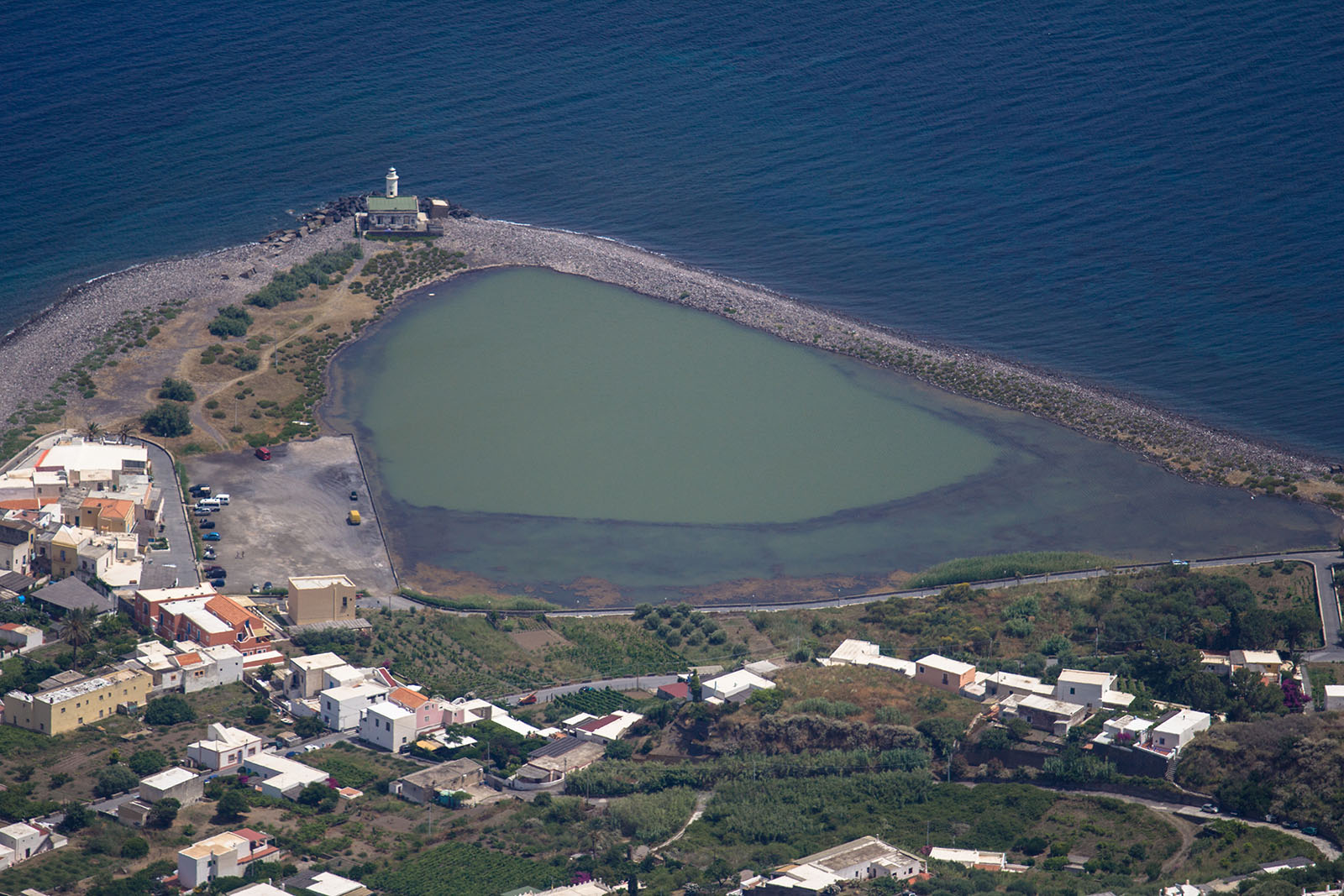
laghetto salato di Lingua
The hamlet of Lingua is characterised by a wonderful pebble beach that leads to the sea, as well as a beautiful promenade where you can take a walk after sunset. In Lingua it is also worth visiting the three museums on the island, located around the salt lake: Archaeological Museum, Civic Museum and Sea Museum.

The senses tell The summit craters

The polis of the living and the necropolis of the dead

Salina, the green island with twin mountains

Lipari at the centre of Mediterranean history

Wine, oil and capers, masterpieces of nature and launching pad of the Aeolian economy

Where do Vulcano’s gases come from?

The Village of Capo Graziano

The senses tell The Stacks of Panarea

The Gran Cratere of the Fossa

The pure white of the pumice quarries

Seven islands, dozens of volcanoes

Vulcano, the most famous volcano in the world

Panarea, the island of Stacks

The prehistoric village of Cala Junco

At the heart of trade in history

The fumaroles of the port of Vulcano

The senses tell the port of Vulcano

Lipari, where history intertwines with volcanoes to create archaeology

Seven islands with different faces

The salt lake of Lingua

The Sciara del Fuoco

Pollara, between poetry and beauty

The hidden part of the Aeolian Islands

Filicudi, a submerged paradise

Myths and legends about volcanoes

The senses tell The prehistoric village of Cala Junco

Volcanoes

The ancient production of salt

The Cathedral of Lipari and the Norman Cloister of the Benedictine Monastery

Stromboli, the volcano that breathes

The senses tell the Lipari Castle

Alicudi, where time has stood still

The summit craters

Lipari Castle, “fused” with lava

The Aeolian Islands, where volcanoes were first studied

The malleability of Vulcano’s mud

The senses tell The Gran Cratere of the Fossa

The senses tell Alicudi

Filicudi: small island, big history

The Stacks of Panarea