WHL

Criteria for including Mount Etna in the WHL

Phnom Penh (Cambodia), 16-27 June 2013
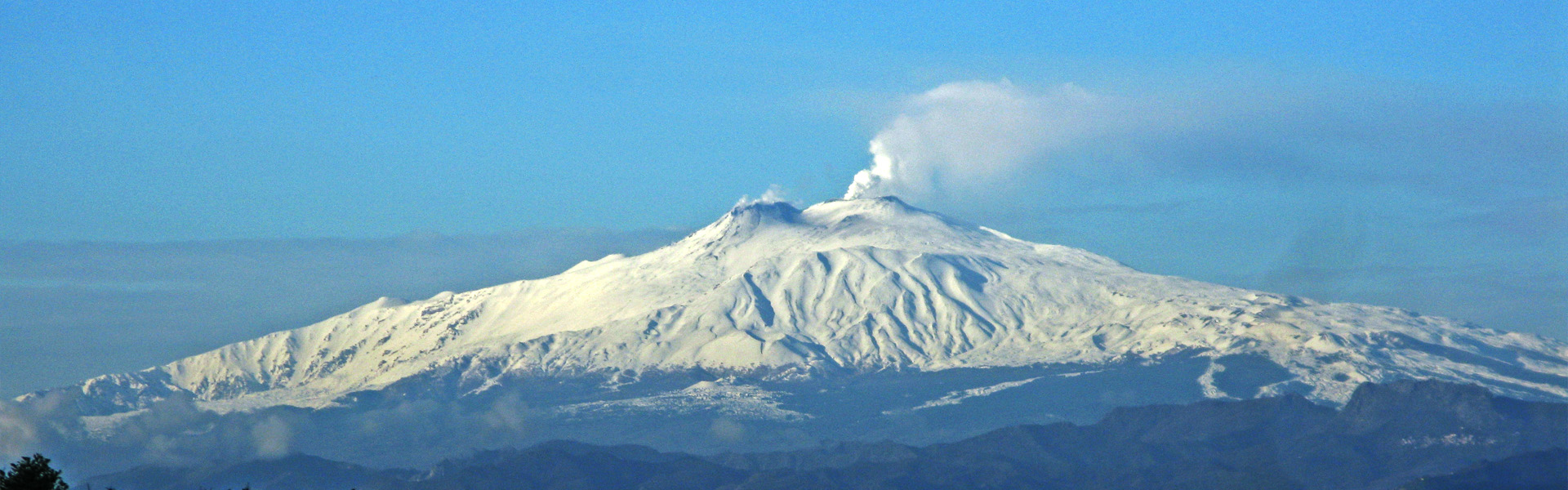
Mount Etna World Heritage Site (19,237 hectare) comprises the most strictly protected and scientifically important area of Mount Etna, and forms part of the Parco dell’Etna Regional Nature Park. Mount Etna is renowned for its exceptional level of volcanic activity, and the documentation of its activity over at least 2,700 years. Its notoriety, scientific importance, and cultural and educational value are of global significance.

Justification of the inscription
Criterion (viii): Mount Etna is one of the world’s most active and iconic volcanoes, and an outstanding example of ongoing geological processes and volcanic landforms. The stratovolcano is characterised by almost continuous eruptive activity from its summit craters and fairly frequent lava flow eruptions from craters and fissures on its flanks. This exceptional volcanic activity has been documented by humans for at least 2,700 years – making it one of the world’s longest documented records of historical volcanism. The diverse and accessible assemblage of volcanic features such as summit craters, cinder cones, lava flows, lava caves and the Valle de Bove depression have made Mount Etna a prime destination for research and education. Today Mount Etna is one of the best studied and monitored volcanoes in the world, and continues to influence volcanology, geophysics and other earth science disciplines. Mount Etna’s notoriety, scientific importance, and cultural and educational value are of global significance.
(Source: http://whc.unesco.org)

Why did Etna form in that specific geographical position?

Summit crater activity between 2011 and 2019

The Red Mountains and the destructive eruption of 1669

Torre del Filosofo: at the base of the summit craters (2950 metres)

Val Calanna, the first step towards a single large volcanic structure

The senses tell The Red Mountains

The senses tell Acicastello and Acitrezza

An ever-evolving volcano

Acireale and its “timpe”

The senses tell Acicastello and Acitrezza

Criteria for including Mount Etna in the WHL

The Elliptical, the first great volcano of Etna

The different names of the “Muntagna”

The earthquake that changed the geography of eastern Sicily in 1693

The fault system of the “Timpe” of Acireale

A fauna yet to be discovered

The senses tell Val Calanna

The 2001 eruption of Etna, when the Mountain seemed to be alive

Etna, wine terroir of excellence

The senses tell The Etna Viewpoint

Etna, a natural laboratory where experiments can be carried out

The “notches” of snow

The 1669 eruption in Catania

The continuous evolution of the Etna summit craters

The senses tell Valle del Leone

The senses tell The Summit craters

Humankind and the volcano: how should we behave? Volcanic risk

The different names of the “Muntagna”

Summit crater activity between 2011 and 2019

Valle del Leone and the Elliptical

Acireale and reconstruction after the 1693 earthquake

The first volcanic structures of Etna, between Aci Castello and Aci Trezza

Valle del Leone and the Elliptical

Why is Etna one of the most studied volcanoes in the world?

An ever-evolving volcano

The senses tell Torre del Filosofo

The world’s first (almost successful) attempt to stop a lava flow: the eruption of 1991-93

The Etna viewpoint

Volcanic monitoring and eruption forecasting

Lachea Island and the Aci Trezza Stacks

A fauna context yet to be discovered

The Etna viewpoint

The fault system of the “Timpe” of Acireale

The continuous evolution of the Etna summit craters

The earthquake that changed the geography of eastern Sicily in 1693

Acireale and reconstruction after the 1693 earthquake

The senses tell Valle del Leone

Etna, the living mountain

Malavoglia

The senses tell The summit craters

The 1669 eruption in Catania

The 2001 eruption of Mount Etna, where the approach to volcanoes changed

Etna: a marvellous group of microclimates and vegetation

The Grand Tour in Sicily

The Jaci river

Empedocles and his passion for Etna

The Grand Tour in Sicily

The senses tell Torre del Filosofo

Humankind and the volcano: how should we behave? Volcanic risk

The senses tell The Etna viewpoint

Lachea Island and the Aci Trezza Stacks

Acireale and its “timpe”

The Red Mountains and the destructive eruption of 1669

The senses tell Val Calanna

The living mountain

The Elliptical, the first great volcano of Etna

The eruption of 1928 that destroyed the town of Mascali

The eruption of 1928 that destroyed the town of Mascali

The “notches” of snow

The Jaci river

Malavoglia

The senses tell Acireale

Val Calanna, the first step towards a single large volcanic structure

The first Etnean volcanic events between Aci Castello and Aci Trezza

Torre del Filosofo: at the base of the summit craters (2950 metres)

The senses tell Acireale

The senses tell The Red Mountains

Empedocles and his passion for Etna

Etna: a marvellous group of different types of flora

Etna, an ever-changing natural laboratory